?php echo get_the_title(); ?>
The evolution of gambling A historical journey through chance and choice
The Ancient Roots of Gambling
The history of gambling dates back to ancient civilizations, where games of chance were deeply intertwined with cultural rituals and social practices. Archaeological findings reveal that as far back as 3000 BC, the Chinese were using rudimentary forms of dice. Similarly, ancient Egyptians played games involving betting, reflecting the universal human fascination with chance and luck. In New Zealand, players can discover the best online pokies nz that showcase this long-standing love of gambling.
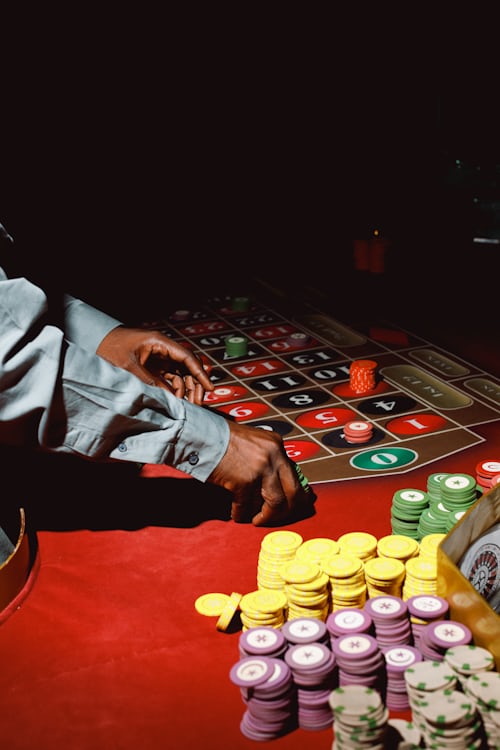
These early forms of gambling often served as a means for communities to come together, showcasing not just the thrill of winning but also the bonding that occurs through shared experiences. As societies evolved, so did their games of chance, with the introduction of betting on animal fights and races, reflecting societal values and interests of the time.
The Rise of Organized Gambling in the Middle Ages
The medieval period saw a significant transformation in the gambling landscape. With the establishment of formal gaming houses and the introduction of lotteries, gambling became more structured and regulated. Countries like Italy and France began to create rules that governed gambling, marking the transition from informal games to organized betting.
This era also witnessed the emergence of card games, which gained popularity across Europe. These games not only served as entertainment but also became symbols of social status and sophistication among the aristocracy. Gambling houses began to flourish, becoming venues where people from all walks of life congregated, thus embedding gambling deeper into cultural fabric.
The Impact of Legislation on Gambling Practices
As gambling grew in popularity, so did concerns regarding its ethical implications. Governments began to implement regulations in response to rising gambling-related issues, from addiction to fraud. By the 19th century, many countries had enacted laws that both restricted and legitimized certain types of gambling, reflecting society's ambivalence towards games of chance.
This legal framework enabled the establishment of state-run lotteries, which provided funding for public projects. The regulation of gambling marked a pivotal shift, allowing authorities to control the industry while simultaneously tapping into its economic potential. This balance of chance and choice would continue to shape gambling practices for generations.
The Technological Revolution and Online Gambling
The late 20th century heralded a technological revolution that dramatically changed the gambling landscape. The advent of the internet opened up new horizons for gambling enthusiasts. Online casinos emerged, allowing players to engage in their favorite games from the comfort of their homes, breaking geographical barriers.
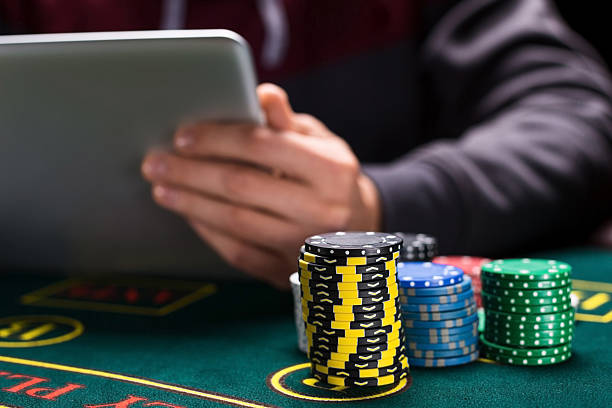
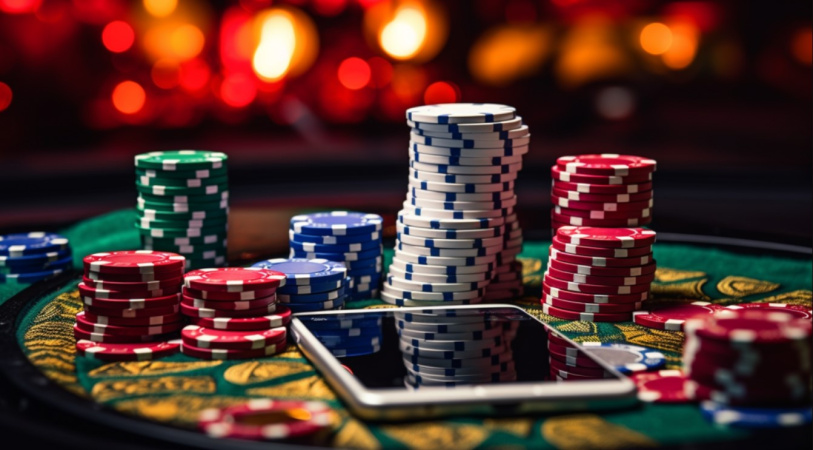
With the rise of smartphones and mobile applications, gambling became even more accessible. Players could enjoy a variety of games anytime, anywhere. This shift not only increased participation but also introduced innovative gaming experiences, such as live dealer games, which emulate the feel of a real casino. The fusion of technology and gambling has thus created a dynamic and evolving industry.
The Current State and Future of Gambling
Today, gambling stands as a multi-billion-dollar global industry, enriched by diverse offerings ranging from traditional casinos to cutting-edge online platforms. Modern gambling incorporates various forms of gaming, including sports betting, poker, and virtual reality experiences, appealing to a broad demographic. The industry's growth has prompted ongoing discussions about responsible gaming practices and consumer protection.
As gambling continues to evolve, future trends may include increased regulation and the incorporation of artificial intelligence to enhance user experience. The blend of chance and choice remains at the heart of gambling, as societies navigate the complexities of this age-old pastime in an ever-changing world.